
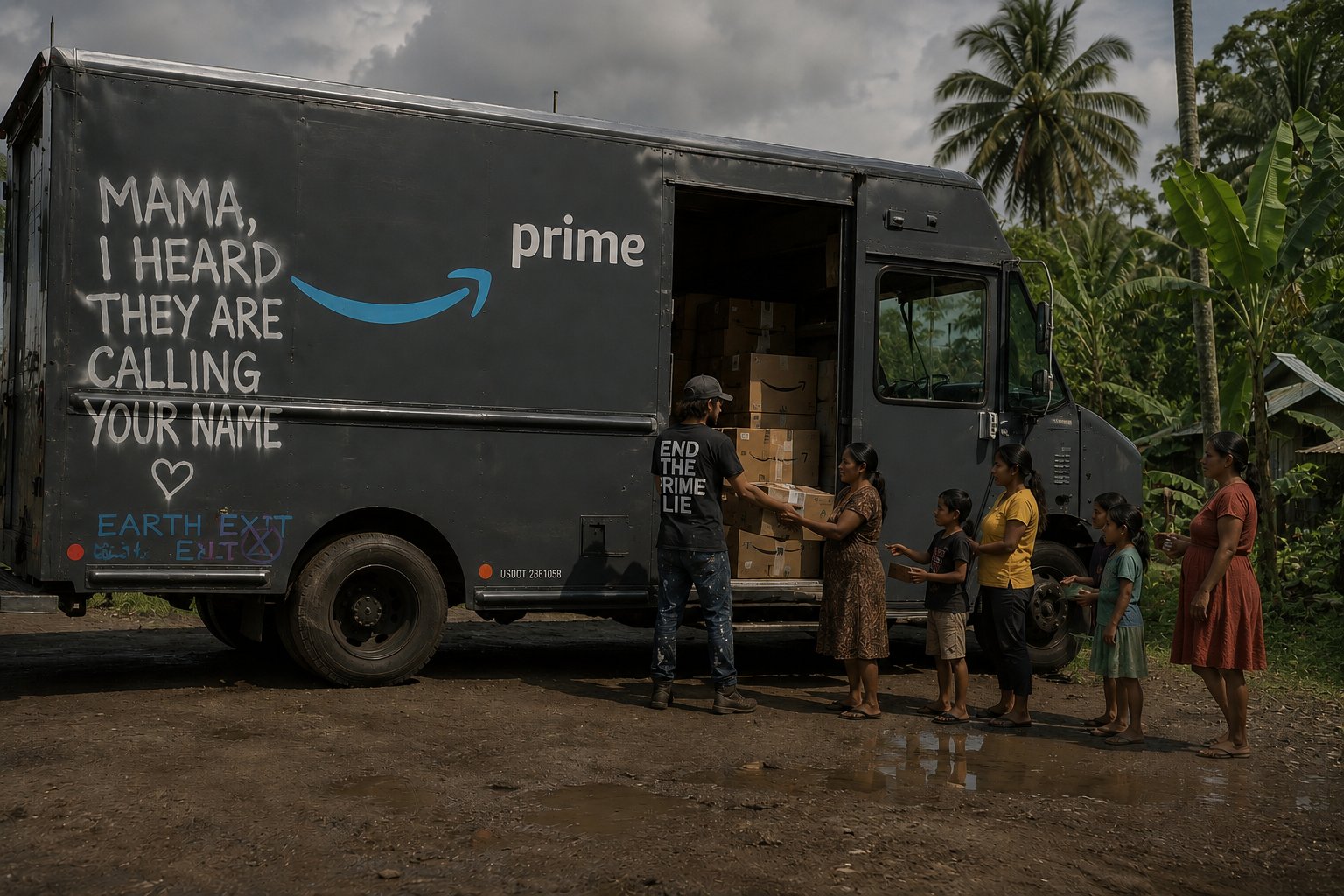
MANAUS, Brazil — A months-long art intervention led by conceptual artist Claire Lan has become the center of a growing international controversy after members of her collective transported an Amazon delivery truck from Southern California to the Brazilian rainforest, distributing its contents to local communities as part of a project intended to critique global consumer culture.
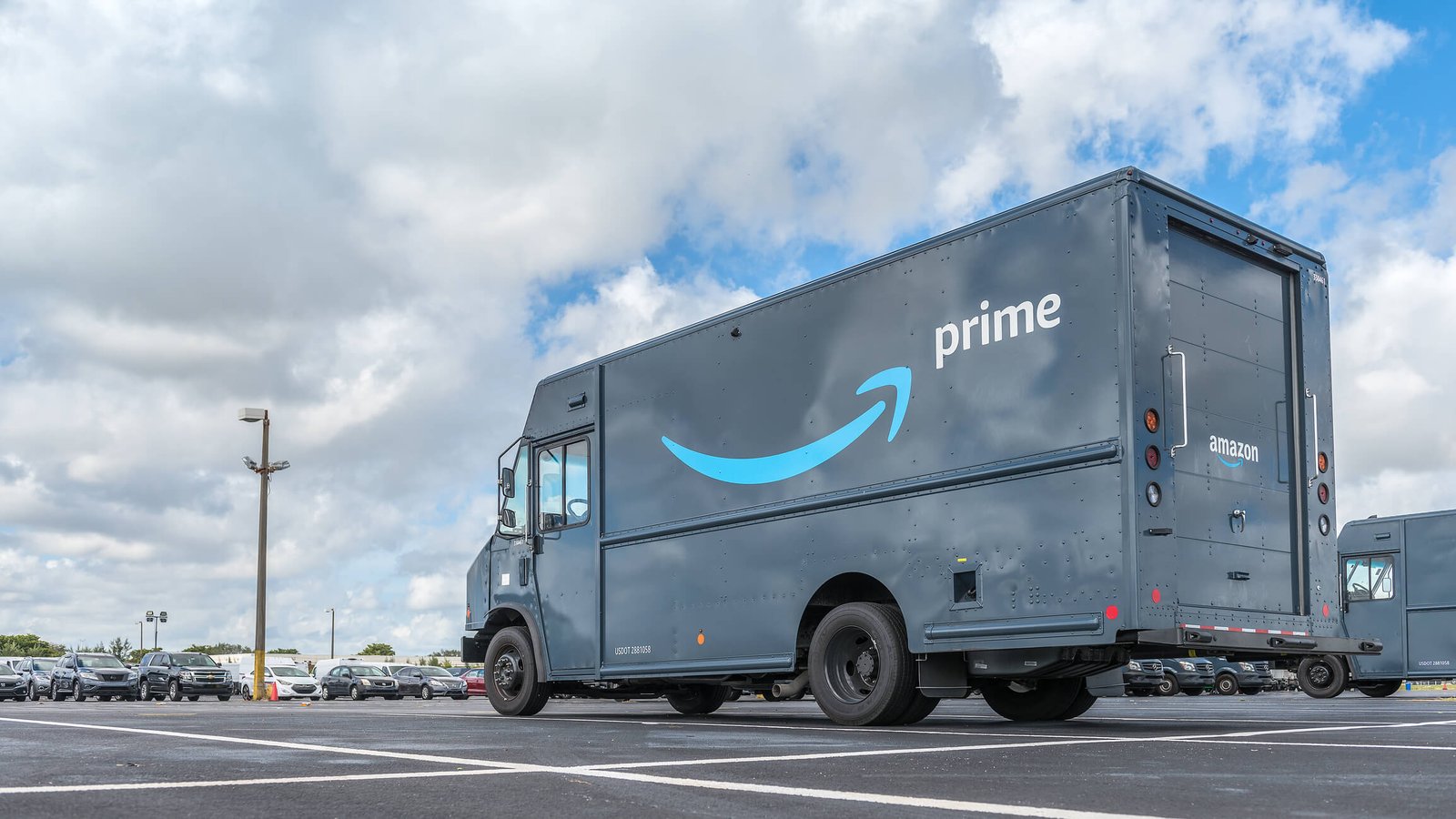
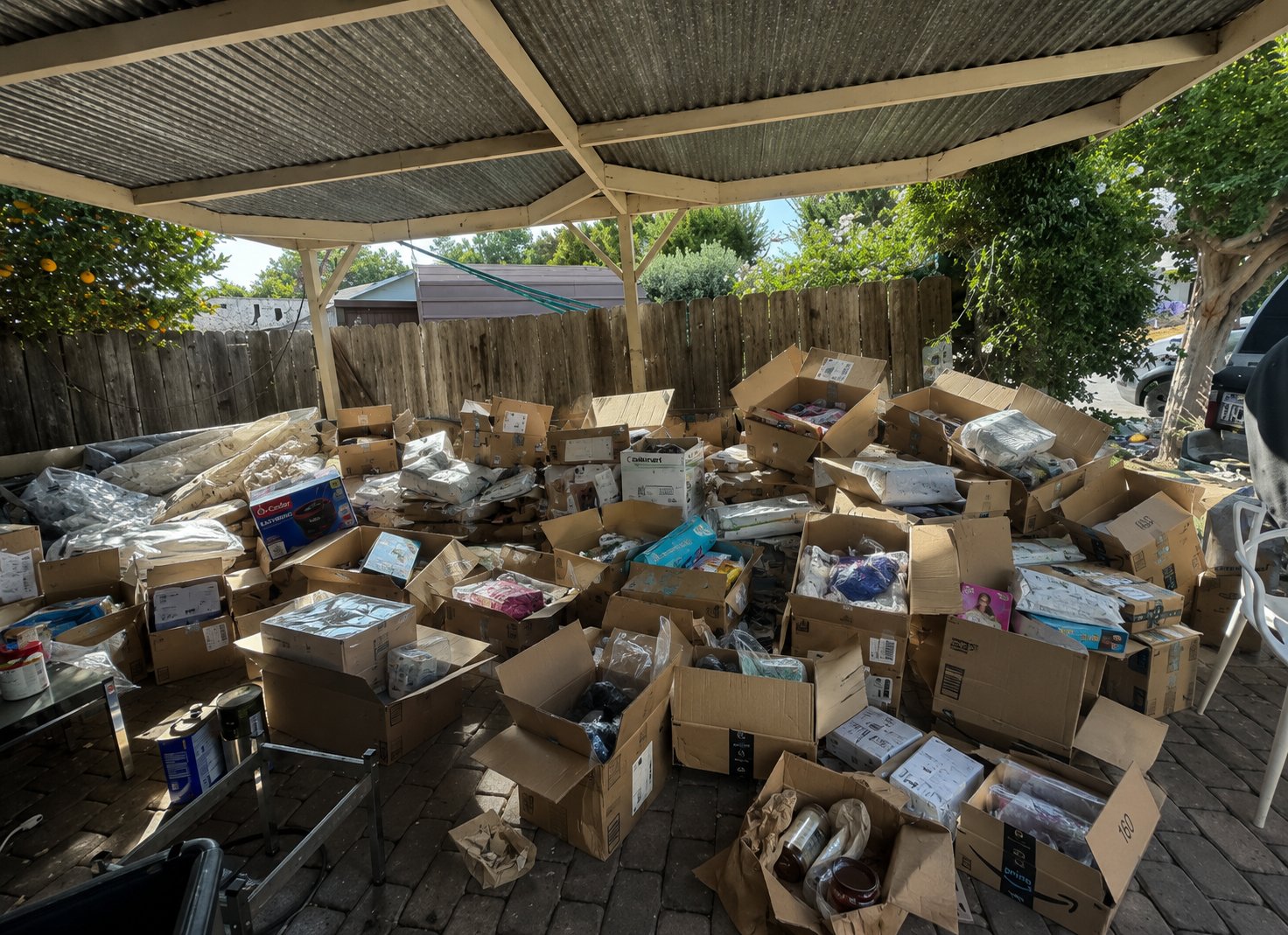
The project, titled Mama, I Heard They Are Calling Your Name, began in Del Mar, California, where the group acquired an Amazon-branded delivery vehicle before embarking on a journey that crossed much of the Western Hemisphere. According to organizers, the truck carried a variety of consumer goods purchased through Amazon’s marketplace, which the artists described as “symbols of contemporary desire moving in reverse through the logistics network that produced them.”
Video footage released by the collective shows the truck traveling through Mexico, Central America, and South America before arriving near the Amazon basin earlier this month. Images of the vehicle parked against rainforest landscapes quickly spread across social media, generating praise from some environmental activists and criticism from others.
Lan, speaking during a press conference in Manaus, described the project as “a pilgrimage of commodities back toward the ecosystem whose name has been appropriated by one of the largest corporations on earth.”
“The Amazon rainforest gave the corporation its metaphor,” she said. “We wanted to return the metaphor to its source.”
A Divided Reception
The project’s reception, however, has been far from unanimous.
Several art critics have questioned both the environmental logic and artistic relevance of the intervention. Writing in The Art Observer, critic Martin Feldman described the work as “a strangely dated reenactment of climate activism that feels borrowed from the political aesthetics of twenty years ago.”
“One gets the sense that the artist wants to break into our world more than she wants to save the environment,” Feldman wrote. “The piece operates less as ecological action than as a performance of ecological action.”
The Carbon Footprint of a Metaphor
Environmental researchers have also raised questions regarding the carbon footprint generated by the journey itself. Estimates published by logistics analysts suggest that the fuel consumed during the trip may exceed the annual fuel consumption of many individual households.
“This is a project that appears to criticize consumption through an act of extraordinary consumption,” said transportation researcher Daniel Ruiz. “That contradiction may be intentional, but it remains a contradiction.”
Voices From Manaus
The distribution of the truck’s contents has also produced unexpected criticism from local residents. While some community members welcomed the artists and participated in public events surrounding the project, others reportedly questioned the usefulness of the goods being delivered.
Several residents interviewed by regional media outlets noted that many of the products consisted of inexpensive consumer items manufactured in China and originally intended for North American customers.
“We don’t really need most of this stuff,” one local resident told reporters through a translator. “People seem to think we are waiting here for products from the internet. We have our own lives.”
Another resident reportedly described the gesture as “confusing,” arguing that the project seemed designed primarily for foreign audiences documenting the event online.
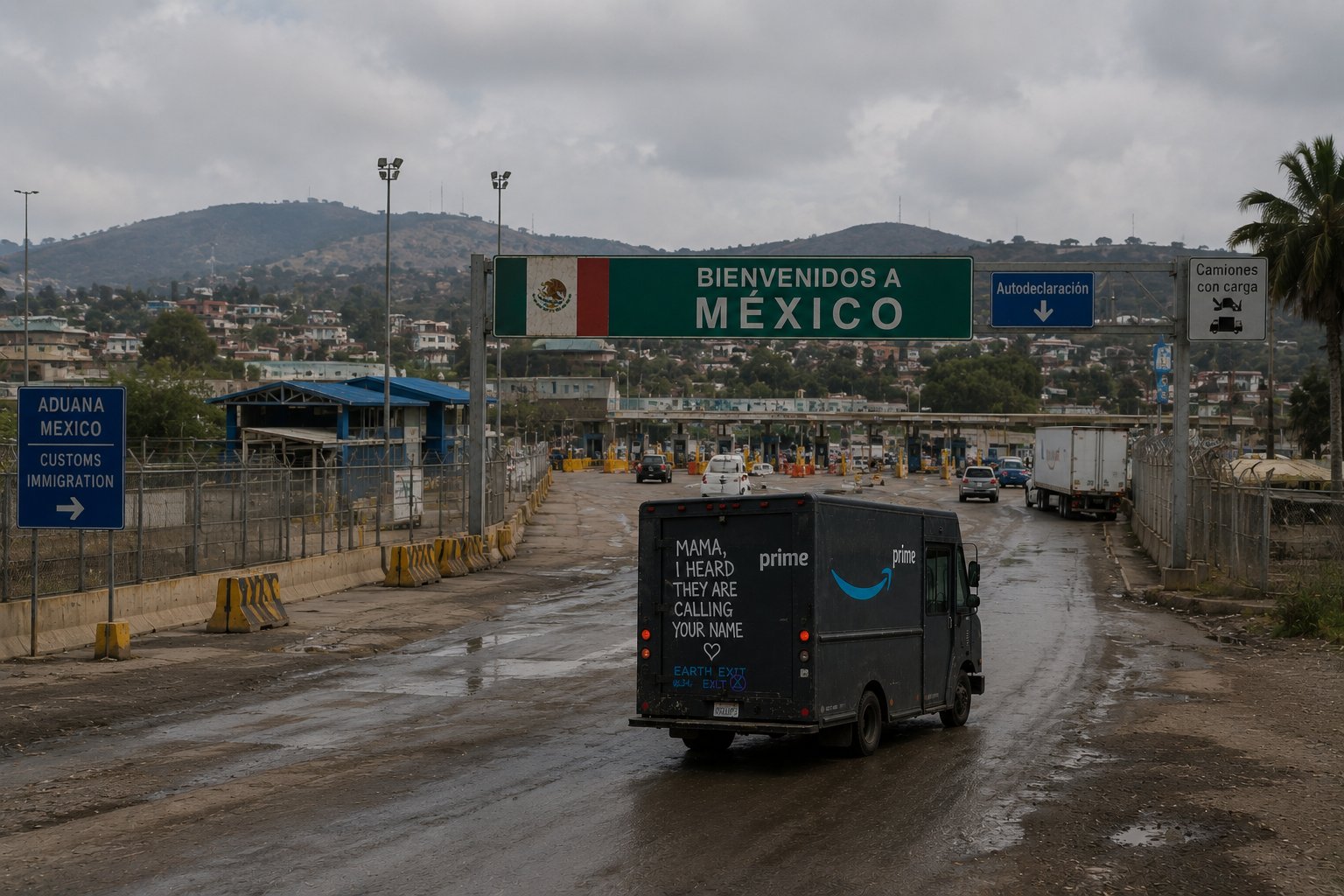
The controversy has revived a longstanding debate regarding the role of activism in contemporary art. Critics argue that many large-scale political artworks ultimately function as spectacles that circulate efficiently through media networks while producing limited material impact. Supporters counter that symbolic actions remain valuable precisely because they attract attention to otherwise invisible systems.
For some observers, the project’s most revealing aspect may be the tension between its ambitions and its execution. The truck’s journey was intended to challenge global logistics networks, yet it relied upon those same networks. It sought to critique consumption while transporting consumer goods across continents. It attempted to foreground local communities, yet much of the public conversation has focused on the artist herself.
As debate continues, Mama, I Heard They Are Calling Your Name has become less a story about a truck and more a case study in the contradictions of contemporary activist art. Whether the project ultimately succeeds as political intervention, artistic gesture, or media spectacle remains a matter of intense disagreement. What is certain is that a single Amazon truck has managed to provoke a conversation stretching from California to the rainforest about the limits of symbolism in an age increasingly defined by visibility, logistics, and attention.